
Key Takeaways
- Short sightedness, also called myopia, makes distant objects look blurry while close-up things stay clear.
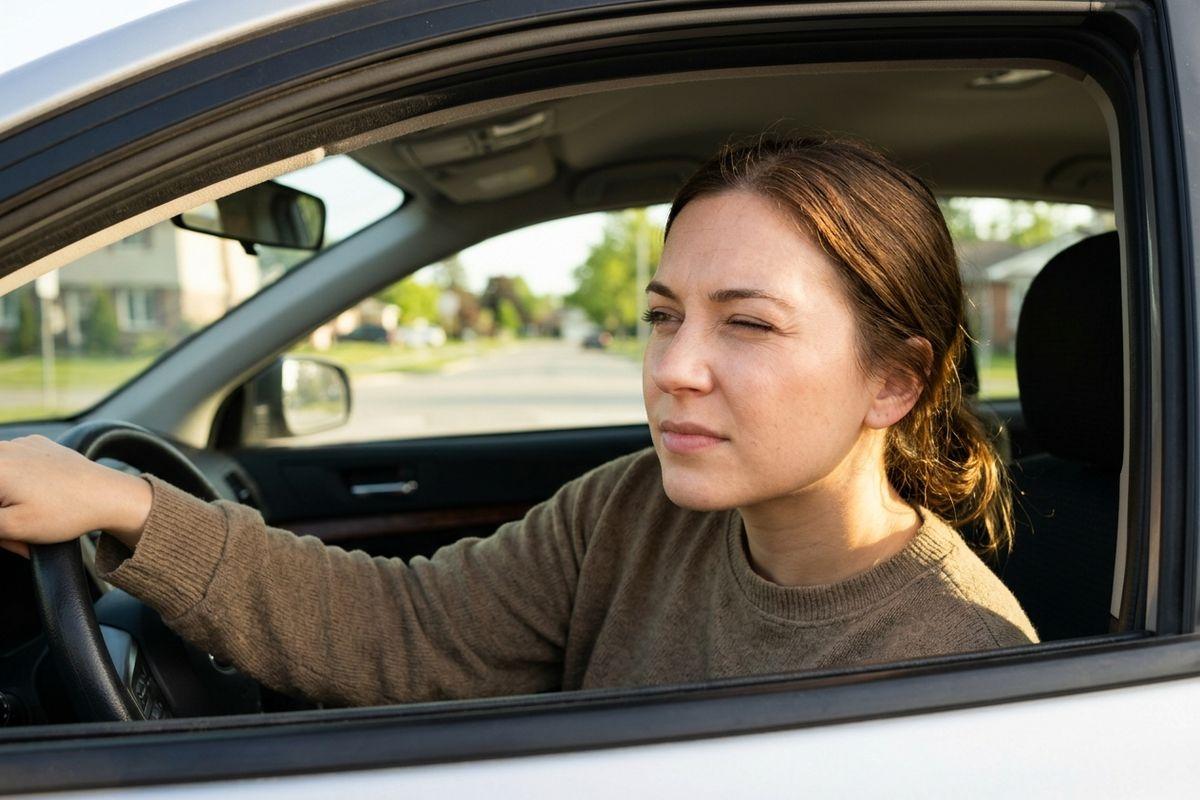
- Squinting, headaches, tired eyes, and trouble reading road signs are common signs.
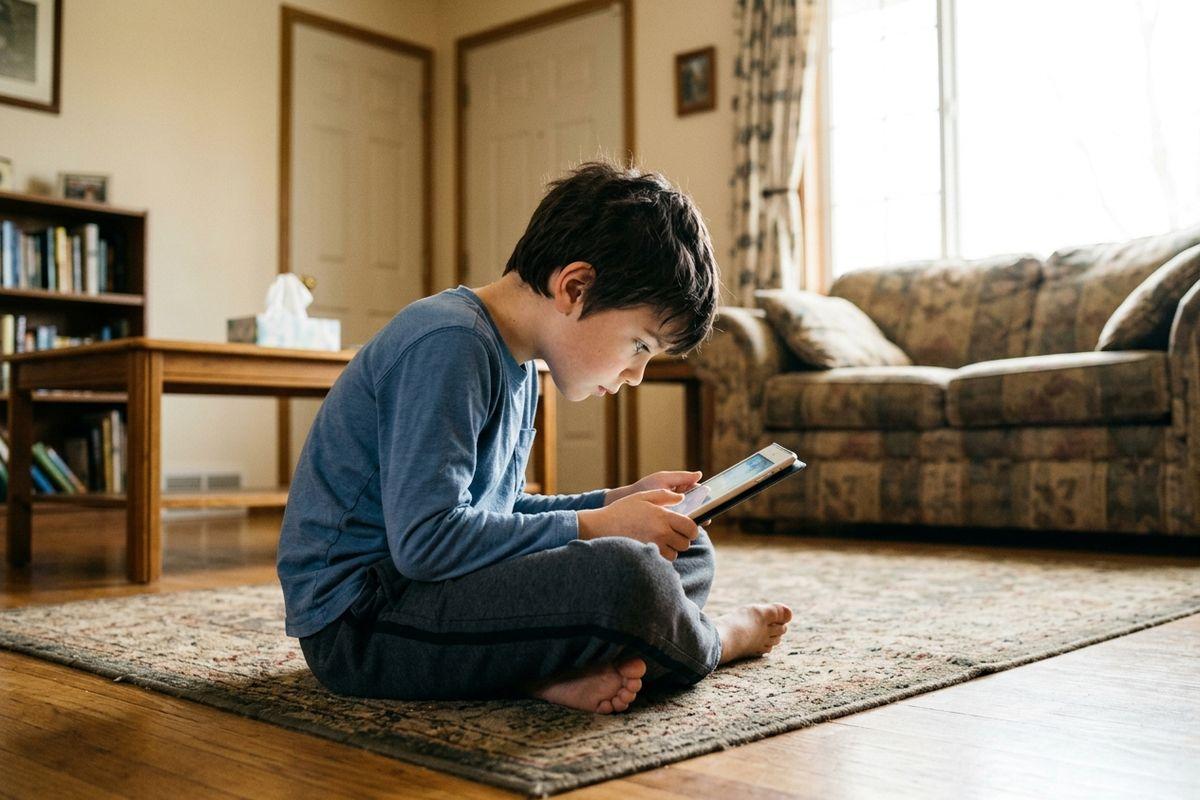
- Children may sit close to screens, blink often, or rub their eyes.
- A minus number on your prescription points to short sightedness.
- An eye exam confirms the diagnosis and checks the health of your eyes.
- Glasses, contact lenses, and myopia control options can help.
Blurry Street Signs and Whiteboards
You’re driving home and the street sign stays a smudge until you’re almost past it. Or your child leans closer and closer to the tablet without noticing. Small moments like these often show up long before anyone thinks about booking an eye exam at Tecumseh Eyecare.
You may be short sighted if faraway things look blurry while close-up things stay sharp, and an eye exam with an optometrist can confirm it.
What Short Sightedness Means for Your Vision
Short sightedness, known medically as myopia, means your near vision stays clear while distance vision goes soft. Reading a menu feels fine. Reading the name of the restaurant across the street doesn’t.
It often begins in childhood and tends to run in families. If one or both parents are short-sighted, a child may also be more likely to develop myopia, which is one reason regular children’s eye exams matter so much.
Signs You Might Be Short Sighted
The clues are usually small and easy to write off as tiredness or a long day. Over time, though, a pattern shows up.
- Road signs, store signs, or a classroom whiteboard look blurry until you get close.
- You squint to bring things into focus.
- Headaches show up after driving, watching a game, or sitting in a lecture.
- Your eyes feel tired or strained by late afternoon.
- Night driving feels harder, with headlights and signs looking fuzzy.
Signs to Watch for in Children
Kids rarely say their vision is blurry. They simply adapt, because blurry distance vision is all they’ve known.
Watch for a child who sits inches from the TV, blinks often, or rubs their eyes while doing homework. Some seem unaware of things happening across the room or on the far side of a playground, and some lose interest in activities that need clear distance vision.
How to Tell Short Sightedness From Long Sightedness
Short sightedness and long sightedness get mixed up often, but the pattern of blur tells you a lot. Short sighted means distance is blurry and near is clear. Long-sightedness can make close-up vision more difficult, although some people can still see clearly by using extra focusing effort. Depending on the prescription, vision at different distances may also feel unclear.
Astigmatism works differently again. It can lead to blur or distortion at any distance, so letters may look stretched or doubled whether they’re across the room or in your hands.
What the Numbers on Your Prescription Mean
Pull out your last prescription and look at the sign in front of the number. Pull out your last prescription and look at the SPH (sphere) number. A minus sign usually indicates short-sightedness, while a plus sign indicates long-sightedness. In general, the farther the number is from zero, the stronger the correction needed.
How an Eye Exam Confirms Short Sightedness
An eye exam does more than tell you whether the letters on the chart look clear. The optometrist measures your distance vision, then determines the exact prescription needed to sharpen it.
The exam also looks at the health of your eyes, since blurry vision can come from more than a refractive change. Children should have regular eye exams throughout their early years and annually once they reach school age. Adults generally benefit from regular exams every one to two years, while adults 65+ often benefit from yearly exams. Your optometrist may recommend more frequent visits based on your eye health and individual needs.
Options to Correct and Manage Short Sightedness
Glasses and contact lenses are the everyday answer for clear distance vision. Your prescription and daily routine help decide whether you wear correction full time or only for driving, sports, and the classroom.
For growing children, myopia control options may help slow the progression of myopia. The team can walk you through which approaches may suit your child’s age and prescription.
Short Sightedness Behind the Wheel
Keeping your prescription current can help you see more clearly while driving and may help you meet the vision requirements for your driver’s licence.
Everyday Habits That Support Healthy Vision
Taking regular breaks from screens and close-up work can help ease tired, achy eyes. For children, spending more time outdoors may also help reduce the risk of developing myopia, while giving their eyes a break from prolonged near work.
Book Your Next Eye Exam
If distance vision has been slipping, or your child keeps inching toward the screen, an eye exam can give you clear answers. The team at Tecumseh Eyecare can check your vision, explain your prescription in plain language, and help you find frames and lenses suited to how you live. Book an appointment today.