
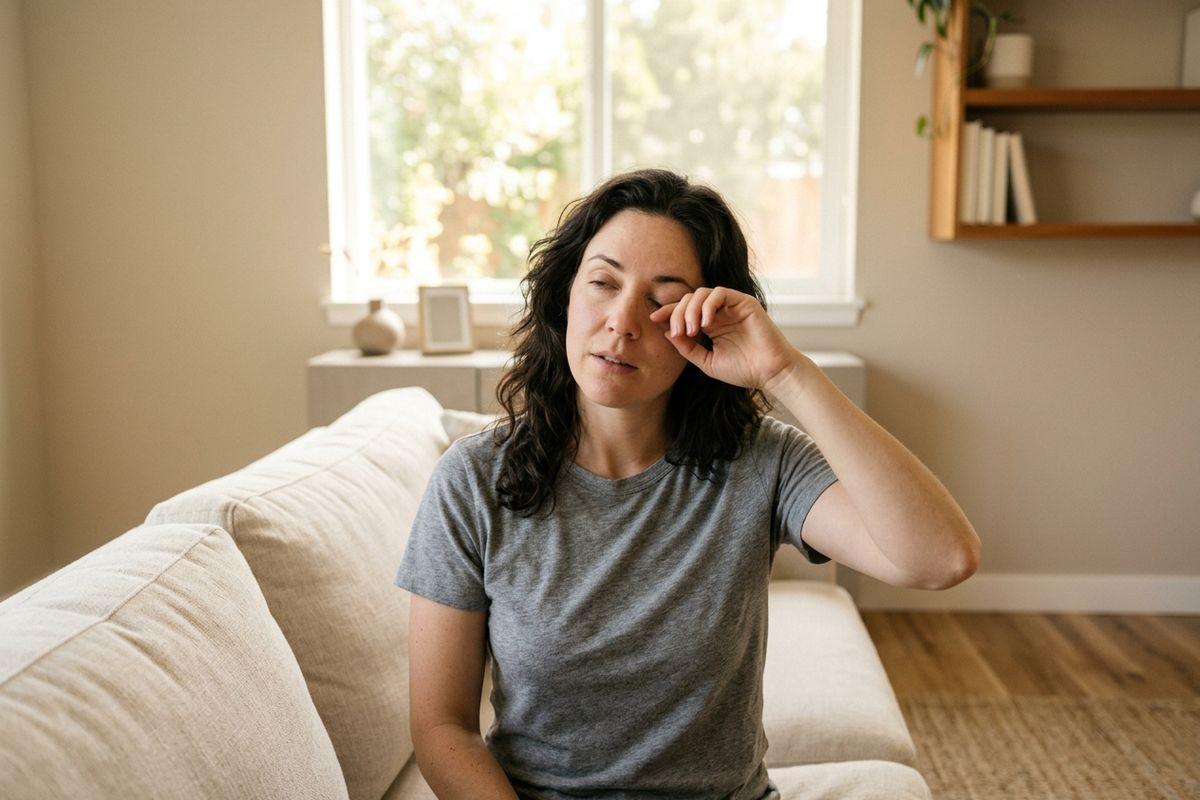
Contact lenses make it easy to get through your day without glasses, and after a few hours, many people forget they’re wearing them. That’s how a quick rest on the couch can turn into an hour of sleep with your lenses still in.
Napping in contact lenses isn’t safe, even for a short time, because it can limit the oxygen your eyes need and raise your risk of infection. Your contact lens exam is a good time to ask how long you can wear your lenses each day, and regular eye exams let us check your corneas for signs of irritation from lens wear.
Why Napping in Contact Lenses Is Risky
Your cornea is the clear front surface of your eye, and it gets most of its oxygen straight from the air. Contact lenses sit on top of the cornea and reduce how much oxygen reaches it. When you close your eyes, that supply drops even further.
You also stop blinking while you sleep. Any debris or bacteria that’s trapped under a lens stays there, pressed against a cornea that already has less oxygen than usual.
A nap may seem too short to matter. Still, sleeping in lenses ranks among the riskiest lens habits, and about 1 in 3 wearers say they’ve slept or napped with their contacts in.
Eye Infections Linked to Napping in Contacts
Sleeping in your lenses can increase your risk of developing keratitis, inflammation of the cornea. Keratitis can sometimes lead to a corneal ulcer, an open sore on the surface of the eye. Lens wearers can also develop conjunctivitis, commonly known as pink eye.
After a nap in your contacts, watch for symptoms like these:
- Redness
- Eye pain
- Blurry vision
- Sensitivity to light
- Discharge from the eye
Plenty of naps end with milder problems, like dry or gritty eyes and lenses that feel stuck. Those symptoms can settle once you take your lenses out. Some infections, however, can affect your vision long term without treatment, so pay attention to anything that lingers.
What To Do If You Nap with Your Contacts In
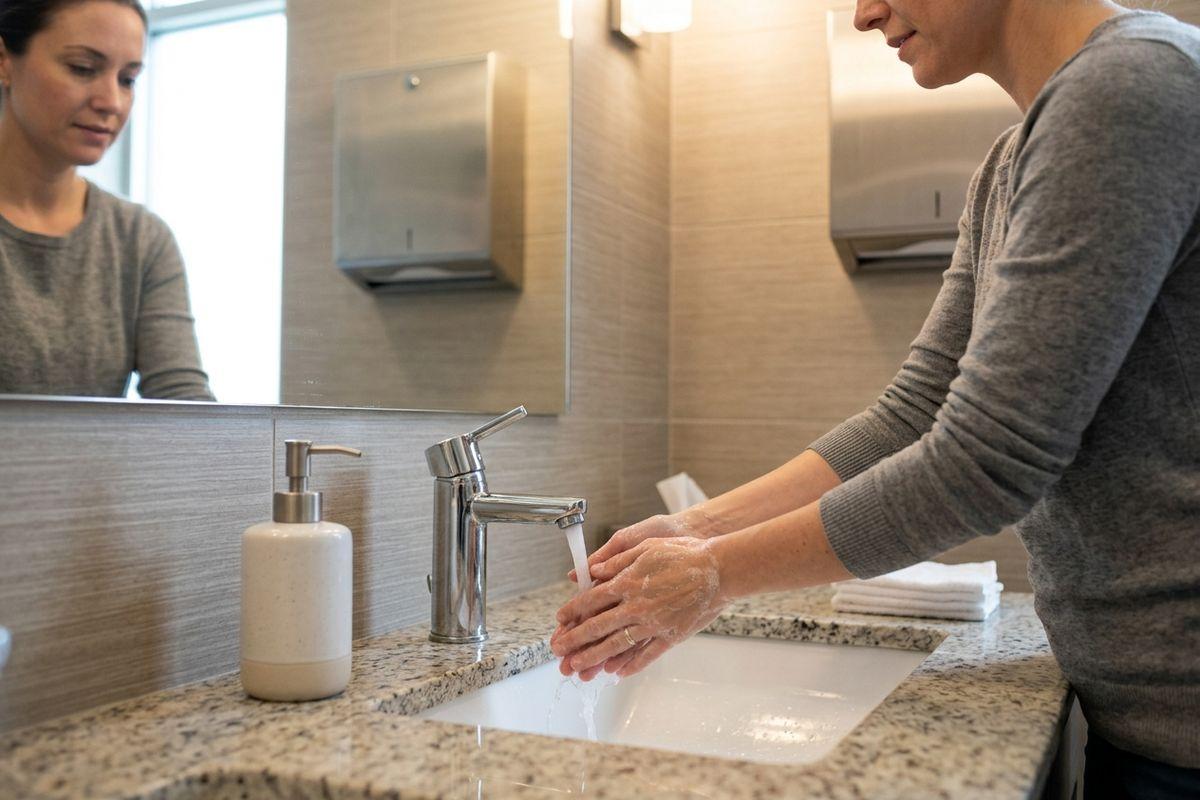
Take your lenses out as soon as you wake up. Go slowly and follow these steps:
- Wash and dry your hands before you touch your eyes.
- Add rewetting drops if your lenses feel dry or stuck, then wait a few minutes so they can loosen.
- Remove each lens gently, and avoid pulling at one that won’t move.
- Throw away daily lenses, or clean and disinfect reusable ones before you wear them again.
Wear your glasses for the rest of the day. This gives your eyes time to recover before you put your lenses back in.
When To See an Optometrist
Most of the time, removing your lenses and resting your eyes is enough. But there are signs that mean it’s time to call an optometrist:
- Symptoms that don’t improve after you remove your lenses
- Symptoms that get worse over the next few hours
- A lens you can’t remove on your own
Leave your lenses out until your optometrist has checked your eyes. Bring the lenses and their case to your appointment, since they can help your optometrist figure out what’s causing the irritation. If you have sudden pain or a change in vision, seek emergency eye care right away.
Tips To Avoid Napping in Your Contacts
Take your lenses out before you lie down, even if you only plan to rest for a few minutes. Keep a spare lens case and your glasses near the couch or bed so you don’t have to get up to remove them. If you tend to doze off at the same time each afternoon, set a phone reminder a little earlier.
Long flights and road trips are common times for an unplanned nap. If you’re a passenger, switch to your glasses before the trip starts so you can sleep whenever you want.
Consider Daily Disposable Lenses
Daily disposable lenses can also help if you often forget. You throw them out at the end of each day, which means you won’t need a cleaning routine and can switch to glasses whenever you start to feel tired.
Some lenses are approved for extended or overnight wear. Research shows those lenses still come with a higher rate of serious infections than daily disposables, so talk with your optometrist before you sleep in any lens, even one that’s labelled for overnight use.
Remember to Remove Your Contacts
Taking your lenses out before a nap can give your corneas the oxygen they need while you rest. If you wake up with sore eyes or want lenses that fit your schedule, we’d love to help.
The team at Tecumseh Eyecare can answer your questions about contact lens wear and walk you through your options. Book an appointment and let’s find a lens routine that works for you.